 Call us (719) 505-5722
  Opening hours: Mon - Sat: 8:00am To 9:00pm


Less Mess, Less Stress: Start Good Habits Young
Teaching Your Little Ones the Value of Cleanliness: Building Good Habits Early
As parents, we know that cleaning up can feel like an endless task. But did you know that teaching your children how to pick up after themselves can have a huge impact on their development? It’s not just about keeping the house tidy — it’s about building good habits that will last a lifetime.
Start Early with Simple Examples
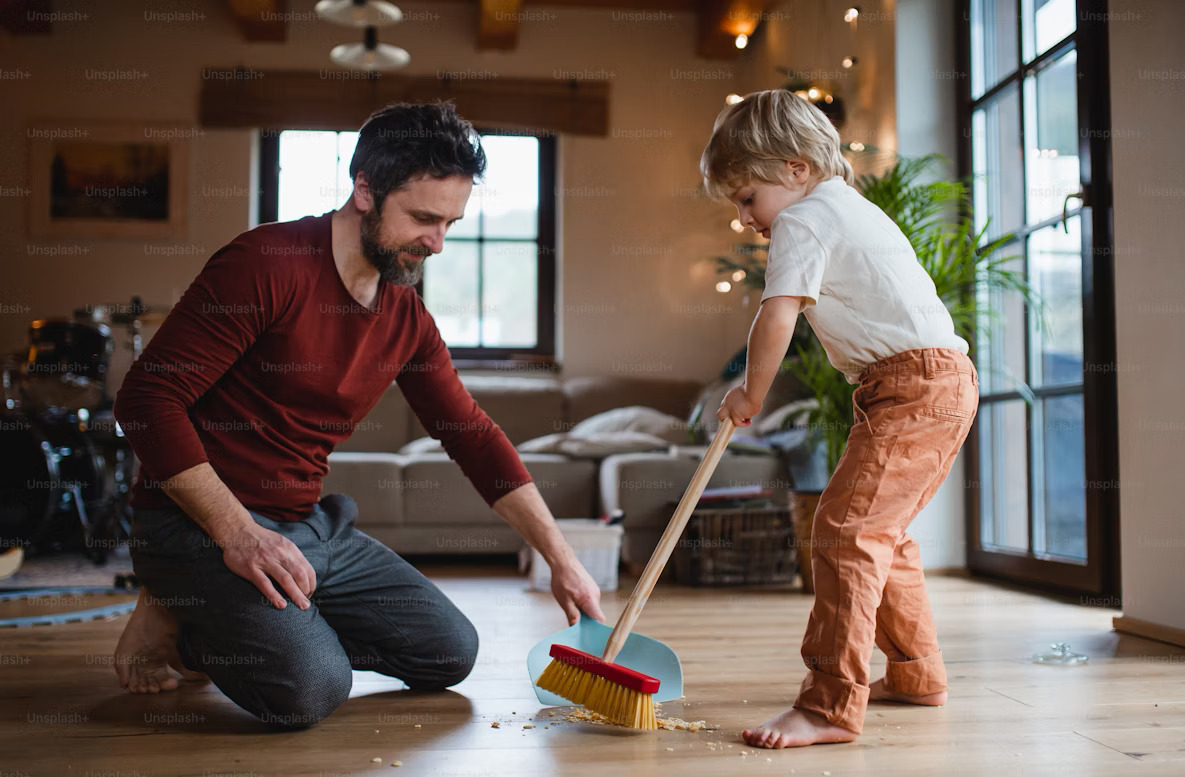
Children are like sponges, soaking up everything they see and hear. This means one of the most effective ways to teach your little ones to clean up is by leading by example. When they see you pick up after yourself — whether it's wiping down the kitchen counter, putting your shoes away, or organizing a stack of books — they’ll start to mimic these behaviors.
Make It Fun and Playful
Cleaning doesn’t have to be a chore! You can turn tidying up into a fun game. Try setting a timer and challenge your child to pick up their toys before it goes off. Or turn cleaning into a song, where they get to dance around while they work. The goal is to make the process enjoyable so they’ll want to do it, not just because they have to.
Establish a Consistent Routine
Consistency is key. Set specific times of day when your child is expected to clean up, such as before nap time and before bedtime. These regular moments give them structure and predictability, which are important for developing good habits. When they know what’s expected, they’ll be more likely to follow through.
Teach Organization Early On
As children get older, you can start teaching them how to organize their toys into categories. You might say, “All the blocks go in this box, and all the dolls go in that box.” By helping them sort their toys, you’re teaching them valuable organizational skills. Not only does this help keep the playroom tidy, but it also improves their ability to categorize and think logically.
Give Them Responsibility and Guidance
Once your child is old enough, usually around 1 ½ years old, let them take more responsibility for cleaning up. You can guide them by showing where each toy belongs, and then allowing them to try on their own. If they put something in the wrong box, gently show them the correct spot, and encourage them to try again. With time, they’ll get the hang of it and feel a sense of pride in keeping things in order.
The Power of Consistency and Accountability
It’s important to remember that children are incredibly smart. When you hold yourself accountable to the cleaning routine, and consistently show them how it’s done — even when it feels like a challenge — you’re teaching them the value of perseverance and responsibility. It’s not always easy, but teaching them to clean up, even when you're tired or busy, sets a powerful example of life skills that will stay with them forever.
Create a Positive Environment
The goal isn’t to be overly strict or perfectionistic. The aim is to build a habit of responsibility, teamwork, and respect for the space they live in. Your children will learn that taking care of their environment is important, and with time, this will evolve into a natural routine that feels as automatic as brushing their teeth.
A Life Skill That Lasts
As parents, we have the unique opportunity to shape our children's habits and attitudes toward responsibility. Teaching them how to pick up after themselves not only keeps the house clean but builds a foundation for self-discipline and independence. It's a life skill that will benefit them — and you — for years to come.